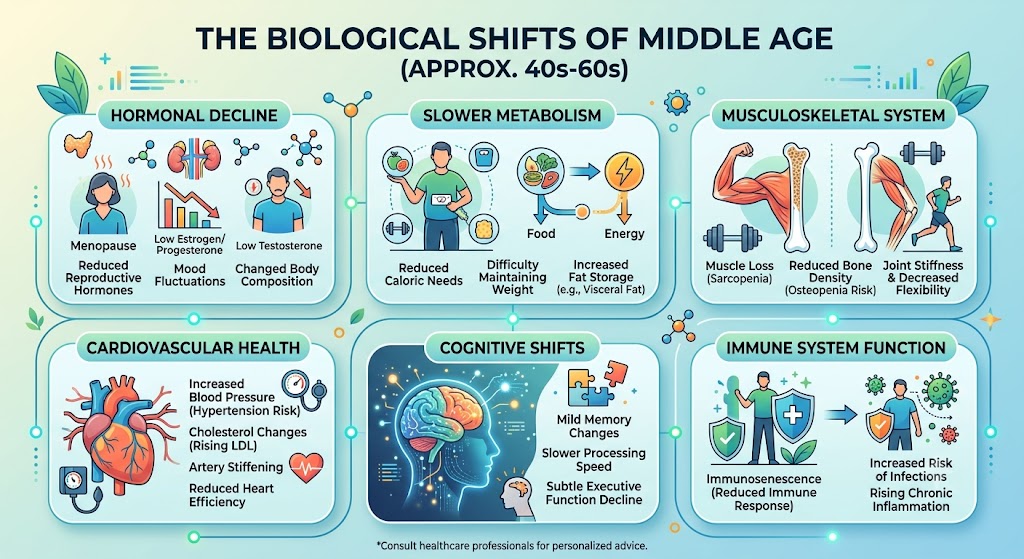
Between ages 40 and 65, several biological shifts occur:
- Slower metabolism
- Increased insulin resistance
- Loss of muscle mass
- Higher cardiovascular risk
- Greater abdominal fat storage
Add a desk job and long work hours, and weight gain becomes even harder to reverse.
GLP-1 medications can address many of these metabolic changes — especially when lifestyle efforts alone haven’t produced lasting results.
Benefits of GLP-1 Medications for Working Professionals
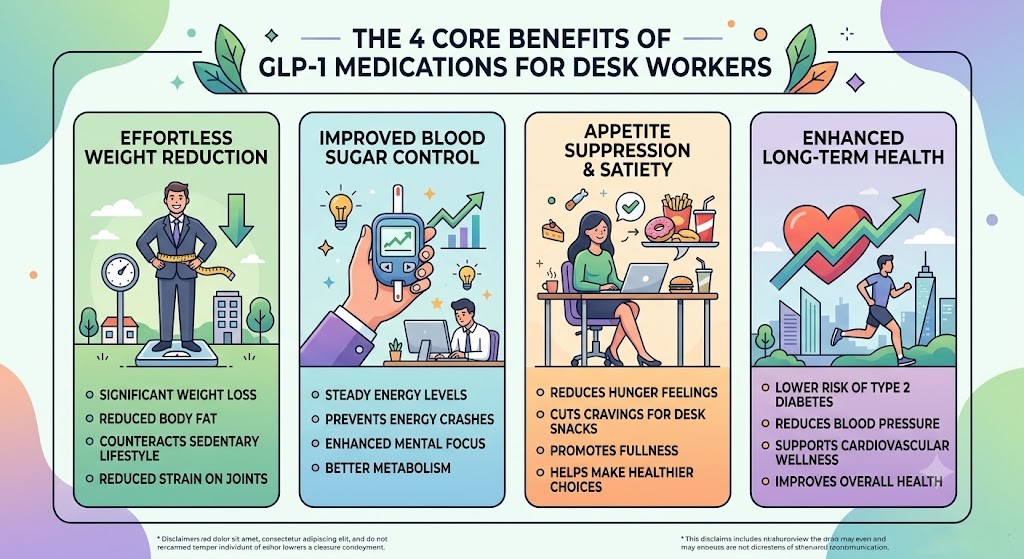
1. Significant Weight Loss
Clinical trials show patients can lose 10–20% (or more) of their body weight, depending on the medication and dosage.
For a 230-pound individual, that could mean 23–46 pounds lost.
2. Improved Blood Sugar and Insulin Sensitivity
Even without diabetes, many sedentary adults develop insulin resistance. GLP-1 drugs help regulate blood glucose and may reduce the risk of developing type 2 diabetes.
3. Reduced Cardiovascular Risk
Certain GLP-1 medications have demonstrated reduced risk of heart attack, stroke, and cardiovascular death in patients with type 2 diabetes. Ongoing research suggests broader heart-protective benefits may extend to people with obesity alone.
4. Appetite Control Without Extreme Dieting
Unlike traditional calorie restriction, GLP-1 medications biologically reduce hunger signals, making smaller portions feel satisfying.
For busy professionals, this can mean:
- Fewer afternoon crashes
- Less late-night snacking
- Easier portion control at business dinners
Common Side Effects of GLP-1 Medications
Like all prescription medications, GLP-1 drugs carry potential side effects.
Most Common Side Effects
- Nausea
- Constipation
- Diarrhea
- Bloating
- Reduced appetite
These symptoms are usually strongest during dose increases and often improve over time.
Less Common but Serious Risks
- Pancreatitis
- Gallbladder disease
- Severe delayed stomach emptying
- Low blood sugar (when combined with other diabetes drugs)
Always consult a licensed healthcare provider before starting treatment.
GLP-1 and Muscle Loss: What Sedentary Adults Need to Know
One important concern for middle-aged individuals is lean muscle loss.
When weight decreases rapidly — especially without strength training — both fat and muscle may be lost.
For desk workers already at risk of muscle decline, this matters because muscle:
- Supports metabolic rate
- Improves insulin sensitivity
- Protects long-term mobility
How to Protect Muscle While on GLP-1s
- Engage in resistance training 2–3 times per week
- Increase daily movement (walk after meals)
- Prioritize adequate protein intake
Medication works best when paired with lifestyle improvements.
What Happens If You Stop GLP-1 Medication?
Research shows many individuals regain a significant portion of lost weight after discontinuing GLP-1 therapy — especially if lifestyle changes were not maintained.
GLP-1 drugs alter biology, but they don’t permanently change habits. Long-term success often requires either continued therapy or sustained behavior change.
Are GLP-1 Medications Safe for Long-Term Use?
Current research suggests GLP-1 receptor agonists are generally safe when prescribed appropriately and monitored regularly.
However:
- Long-term data beyond several years is still evolving
- Ongoing medical supervision is essential
- Individual risk factors vary
A comprehensive medical evaluation is necessary before starting therapy.
Cost of GLP-1 Medications
GLP-1 medications can be expensive without insurance coverage. Coverage varies widely depending on:
- Diagnosis (obesity vs. diabetes)
- Employer health plans
- State insurance policies
Some patients pay out of pocket; others qualify for coverage through diabetes or obesity treatment plans.
Who Is a Good Candidate for GLP-1 Therapy?
You may be a candidate if you:
- Have a BMI ≥30
- Have a BMI ≥27 with weight-related conditions (e.g., hypertension, prediabetes)
- Have struggled with long-term weight management
- Live a largely sedentary lifestyle
- Have elevated cardiovascular risk
GLP-1 medications are not intended for casual cosmetic weight loss. They are medical treatments for metabolic disease.
GLP-1s vs. Diet and Exercise Alone
Many middle-aged professionals have tried:
- Low-carb diets
- Intermittent fasting
- Calorie tracking
- Bootcamp workouts
But biology often fights back.
GLP-1 medications change hormonal signaling — something lifestyle alone cannot always fully address in insulin-resistant individuals.
The most effective approach combines:
- Medication (when appropriate)
- Strength training
- Balanced nutrition
- Sleep optimization
- Stress management
The Bottom Line: GLP-1 Medications for Sedentary Middle Age


 Reduce appetite