

Having
trouble getting or keeping an erection in your 30s can feel scary and
embarrassing. You might think, “I’m too young for this,” or “Real men don’t
have this problem”. But ED is actually pretty common in younger men and often
has a mix of stress, anxiety, and physical causes.
When One Bad Night Turns Into a Big Problem
For
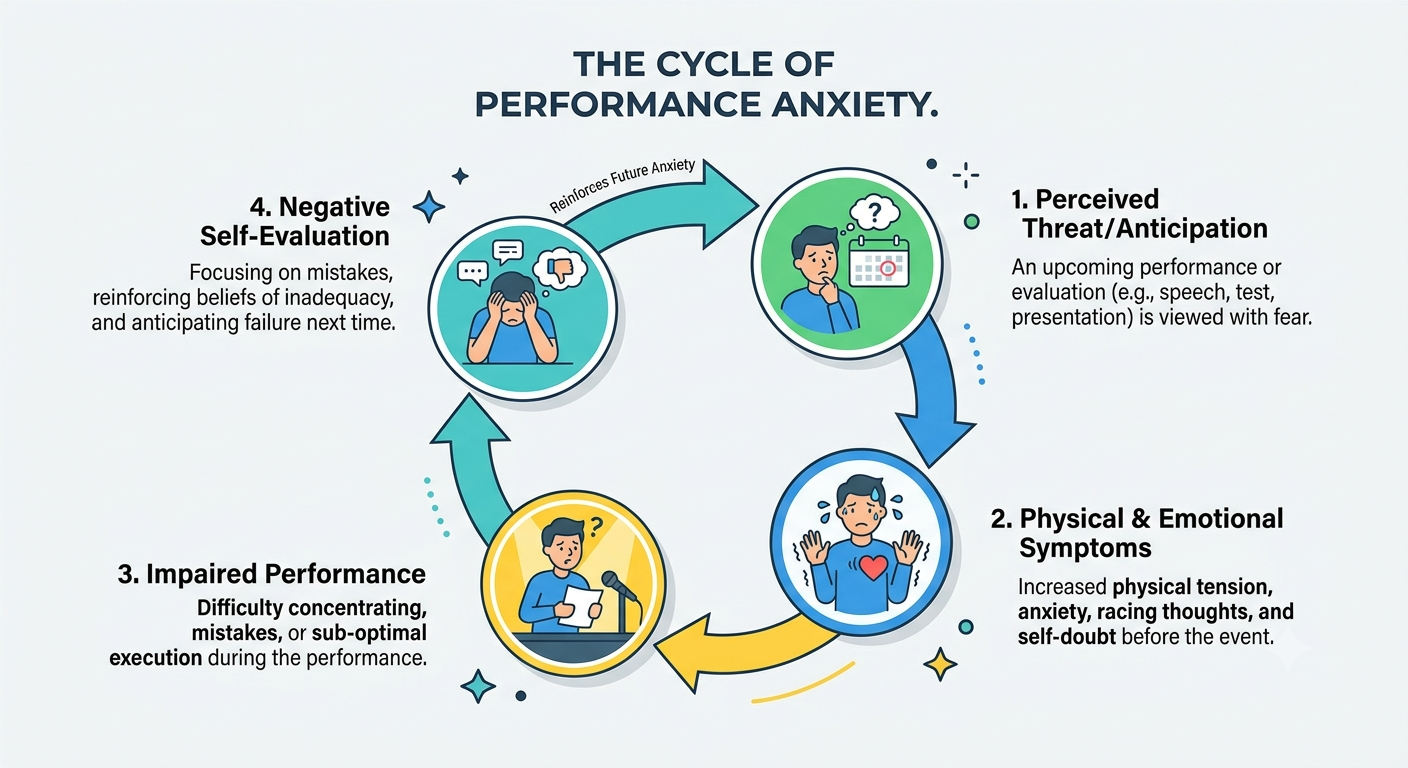
many guys, ED starts with one “off” night. Maybe you were tired, stressed, or
had a few drinks. Things didn’t work the way you wanted in bed. You tell
yourself, “No big deal, it happens”. But the next time you have sex, that
memory pops up again.
You
start thinking:
- “What if it happens
again?” - “Is she going to
think something’s wrong with me?” - “What kind of man
can’t even stay hard?”
 Now
Now
sex feels like a test you have to pass. The more you worry, the harder it is to
relax. When your brain is stressed, your body has a harder time getting an
erection. That’s how a one-time problem can turn into a pattern.
How Porn, Social Media, and “Performance” Culture Mess With You
We live in a world that constantly tells men what they should look like and how they should perform.
- Porn shows “perfect” scenes where guys get hard instantly, stay hard forever, and never seem nervous.
- Social media and gym culture are full of ripped bodies, filters, and flexing.
- There’s pressure to “crush it” at work, in the gym, and in bed.
When your real-life body doesn’t match that fantasy, it’s easy to feel like you’re failing. You might start thinking:
- “If I had a better body, this wouldn’t happen.”
- “She’s probably comparing me to other guys.”
- “If I were a real man, I’d just fix this myself.”
This pressure can hurt your self-esteem and increase anxiety, which can make ED worse. It’s a loop: you feel bad about yourself, you worry about sex, and then sex becomes even more stressful.
What Often Causes ED in Men in Their 30s
Every man is different, but a few common things show up again and again:
- Performance anxiety: Being scared you won’t “perform” in bed is one of the biggest causes of ED in younger men. When you focus on “don’t lose it,” your brain gets anxious and your body shuts down sexually.
- Stress and burnout: Work stress, money worries, long hours, poor sleep, and always being “on” can keep your body in stress mode. Your body can’t be stressed and relaxed for sex at the same time.
- Porn habits: Watching a lot of porn, especially very intense or specific kinds, can sometimes make real sex feel less exciting or harder to respond to. Your brain gets used to a certain type of stimulation.
- Body image issues: Men also struggle with body image—worrying about weight, muscles, hair, height, or penis size. Feeling embarrassed about your body can make you self-conscious in bed and pull you out of the moment.
- Lifestyle habits: Not enough sleep, too much alcohol, smoking, lack of exercise, and certain health issues can affect blood flow and hormones, and that can impact erections even in your 30s.
Often it’s not just one thing. It’s a mix of mental and physical factors. The upside: that means there are several ways to improve it.
How ED Affects More Than Just Sex
ED isn’t only about what happens in the bedroom. It can affect:
- Your confidence – You might feel less “manly” or less attractive.
- Your mood – You may feel frustrated, ashamed, or down.
- Your relationships – You might avoid sex, touch, or even dating, so you don’t have to face the problem. Your partner might think you’re not attracted to them, which can hurt them too.
Avoiding the topic can make things worse. You might start pulling away to avoid embarrassment, while your partner worries it’s their fault.
You’re not broken. You’re dealing with a common, treatable problem that a lot of men never talk about.

First
Step: Stop Keeping It a Secret
Most
men wait too long to get help because they feel ashamed. They hope it will
“just go away,” blame themselves, or look for quick fixes online but never talk
to a real professional.
A
better approach:
- Be honest with
yourself: “This is
happening, and I don’t want it to control my life.”
- Talk to your
partner (if you have one): “This
isn’t about you—I’m dealing with something, and I want to fix it.”
- Reach out to a
professional who knows
how to treat ED.
ED
is extremely common and doctors deal with it all the time. You’re not the
first, and you won’t be the last.
Why
Private Online Care (Telehealth) is Incredibly Helpful
A
big reason guys don’t get help is that they don’t want to sit in a waiting room
and explain ED face-to-face. That’s where online ED care (telehealth) makes a
huge difference:
- Private and
discreet: You talk to a
licensed provider on your phone or computer from home. No waiting room. No
awkward eye contact with strangers.
- Fits your
schedule: You can fill
out forms and have a short visit without missing half a day of work.
- Professional, not
judgmental: The provider
looks at your symptoms, health history, and lifestyle. They’re there to
help you find real solutions, not to judge you.
- Fast path to
treatment: If it’s safe
and appropriate, you can get ED medication prescribed and shipped
discreetly. You don’t have to stand at a pharmacy counter explaining your
situation.
Telehealth
takes a lot of the embarrassment and hassle out of getting help.
What
the Online Process Usually Looks Like
Here’s
what you can expect if you use an ED telehealth service:
- Short online
questionnaire: You answer
questions about your health, habits, and ED (how often, when it happens,
etc.). This helps figure out what might be going on.
- Talk with a
provider (video or secure chat): A
licensed provider reviews your answers, asks questions, if needed, and
makes sure it’s safe for you to use ED medications. They’ll also rule out
serious health problems that might need in-person testing.
- Personal plan: You may decide on next steps, such as ED
medication (if appropriate), suggestions for lifestyle changes (better
sleep, less alcohol, quitting smoking, exercise), and ways to handle
performance anxiety and stress (breathing techniques, mental reframing,
maybe therapy if needed).
- Medication and
follow-ups: If medication
is prescribed, it gets sent to you discreetly. You can check back in to
adjust the dose or talk about how things are going.
You’re not just left alone with pills. Done right, it’s a complete support system.
Why
You Should Deal With It Now—Not “Someday”
It’s
tempting to tell yourself, “It’s just stress, I’ll get over it,” or “I’m still
young, it’s not a big deal”. But waiting can make things harder:
- The anxiety and fear
can grow over time. - Avoiding sex or
dating can become a habit. - If there is a health
issue (like heart or blood vessel problems), you might miss early warning
signs.
Taking
action now can bring back your confidence, improve your relationship and
communication, help you enjoy sex again instead of dreading it, and push you
toward healthier habits that help your whole body, not just erections.
Ready
to Take Back Control?
If
this sounds like you, you’re not alone—and you’re not stuck. You don’t have to
pretend nothing’s wrong, keep worrying every time you’re about to have sex, or
let one part of your life decide how you feel about yourself as a man.
You
can talk honestly with a professional who knows how to treat ED, make a clear
plan made for your body and your situation, and use online ED care to do it
privately, on your schedule, without extra awkwardness. The next step is
simple: start an online ED visit, answer a few questions, and talk to a
provider about what’s really going on. Getting help now can help you feel more
confident, more relaxed, and more like yourself again—in and out of the
bedroom.
Sources
and Further Reading
- Medical
organizations explain that ED is common and can affect younger men, and
often has both physical and psychological causes. - Research shows
younger men with ED often struggle with self-esteem, body image, and
shame. - Performance anxiety
and stress can interfere with erections by activating the body’s stress
response instead of sexual arousal. - Mental health
sources describe how worrying about “performing” in bed can create a cycle
of fear and repeated ED. - Studies on male body
image show that men can feel insecure about weight, muscles, and size,
which affects sexual confidence. - Some research links
heavy or specific porn use with changes in arousal and expectations during
real-life sex. - Clinical ED
resources describe how doctors evaluate ED, when telehealth is
appropriate, and how medications and lifestyle changes are used in
treatment.
Notice: This article was developed with the assistance of AI and refined by our editorial experts to ensure accuracy. The content provided is for informational purposes and does not constitute medical advice. Please consult with a licensed healthcare professional before starting any new medication or treatment plan. References to branded or compounded medications are based on current FDA availability and clinical data.